Future-Proofing Urban Infrastructure: A Strategic Guide to Selecting Manhole Covers and Scaffolding Materials in 2026
The Hidden Backbone of Modern Cities
When we talk about urban development, the focus often lands on skyscrapers, smart traffic systems, or green parks. However, the true backbone of any resilient city lies beneath our feet and within the structural frameworks that build them. As global municipalities face increasing pressure to upgrade aging infrastructure while adhering to stricter environmental standards, the choice of municipal hardware—specifically manhole covers and scaffolding systems—has become a strategic decision rather than just a procurement task.
For project managers, civil engineers, and distributors, understanding the nuance between material technologies is key to long-term cost efficiency and safety.
The Great Debate: Ductile Iron vs. Composite Manhole Covers
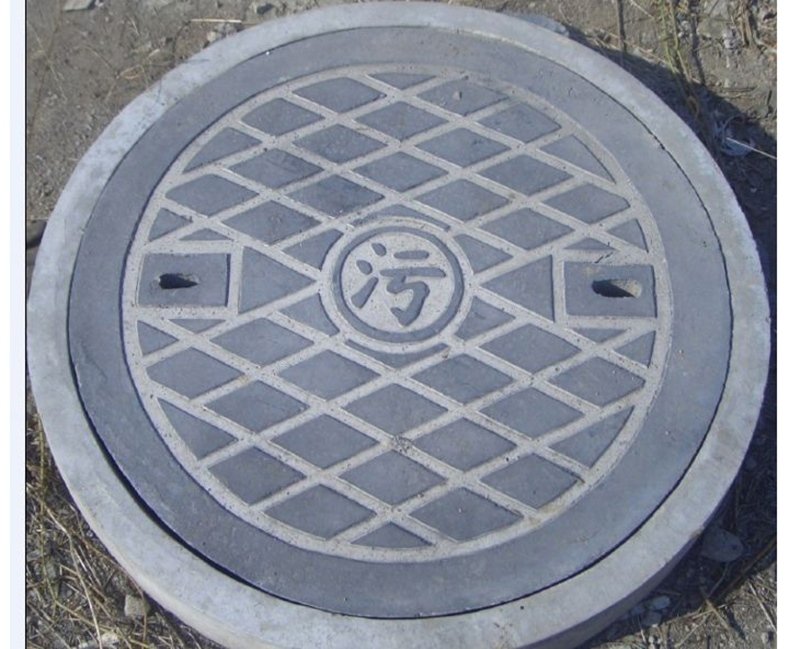
One of the most frequent challenges in municipal planning is selecting the right material for access covers. While traditional cast iron has been the industry standard for decades, the rise of composite materials offers a compelling alternative for specific use cases.
1. Ductile Iron: The Heavy-Duty Standard
Ductile iron remains unbeatable for high-traffic zones such as highways and airports. Its superior load-bearing capacity (often meeting EN124 Class D400 or E600 standards) ensures durability under extreme stress.
- Best for: Main roads, industrial zones, and areas requiring maximum theft resistance through weight.
- Innovation Focus: Modern manufacturing, like the processes utilized by Hebei Cloud, now integrates anti-settling designs and enhanced locking mechanisms to prevent noise pollution and unauthorized access, addressing common urban complaints.
2. Composite Materials: The Smart City Choice
- Key Advantages: They are non-conductive (crucial for electrical substations), corrosion-resistant (ideal for coastal cities), and significantly lighter, reducing installation labor costs by up to 40%.
- Aesthetic Flexibility: Unlike iron, composites can be molded into various colors and textures to blend seamlessly with landscape architecture, a growing trend in “beautified” urban districts.
Scaffolding Evolution: Safety Meets Efficiency
- Rapid Assembly: Systems like Rosette multi-functional scaffolding allow for faster erection and dismantling, directly impacting project timelines.
- Material Integrity: Using low carbon alloy structural steel (such as Q345B) ensures that scaffolding can withstand harsh weather conditions without compromising structural integrity.
- Surface Treatment: Advanced automatic painting lines and galvanization processes are no longer optional; they are essential for extending the lifecycle of rental equipment and ensuring worker safety against rust and corrosion.
The Role of OEM Customization in Global Supply Chains
- Non-Standard Customization: Tailoring dimensions and load classes to meet local municipal codes in Europe, the Middle East, or Southeast Asia.
- Integrated Quality Control: From raw material selection (strictly screened steel and resin) to final dimension inspection, ensuring every batch meets international export standards.
- Supply Chain Resilience: With dedicated logistics fleets and environmental certifications, reliable suppliers ensure that urgent orders are prioritized and delivered without regulatory delays.